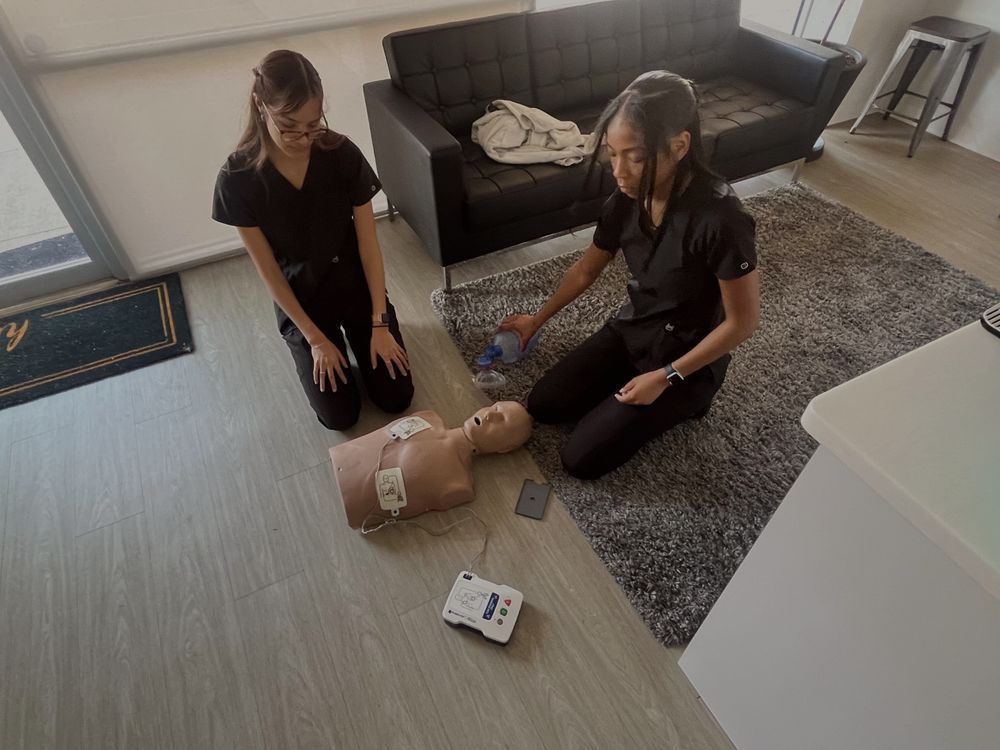
Online Medical Assistant Programs vs In-Person Training in Columbus: What You Need to Know
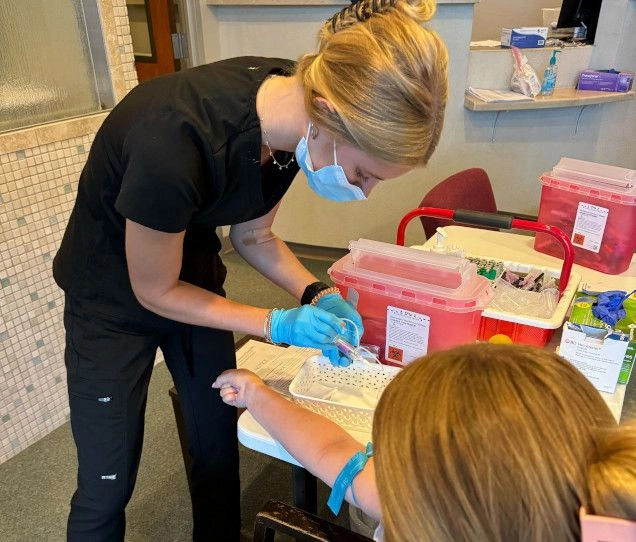
Online medical assistant programs sound convenient — study from home, learn at your own pace, skip the commute. But medical assisting isn’t a desk job. It’s a hands-on role where you draw blood, take vitals, assist during procedures, and interact with real patients in real time. That raises an important question: can an online-only program actually prepare you for that?
Here’s an honest breakdown of what online programs offer, where they fall short, and why training that includes in-person practice tends to produce stronger, more confident graduates in Columbus.
What online medical assistant programs typically offer
Most online programs deliver their content through:
- Video lectures and recorded modules — you watch and take notes on your own schedule
- Quizzes and written assignments — knowledge checks that test memorization
- Virtual simulations — some programs include digital labs or software-based exercises
- Self-paced timelines — flexibility to start and finish on your own terms
For people with demanding schedules, the flexibility is genuinely appealing. But there’s a catch.
Where online-only programs fall short
Medical assisting is physical, fast-paced work. Here are some things you can’t fully learn through a screen:
- Drawing blood — technique, angle, pressure, and patient interaction all matter; you need a real arm and real supervision
- Taking vitals accurately — blood pressure readings require practice with an actual cuff and stethoscope; you need to hear the sounds, not just read about them
- Sterilization and infection control — autoclave operation, PPE protocols, and room turnover are spatial, hands-on tasks
- Patient communication under pressure — calming a nervous patient, explaining a procedure, or handling an unexpected situation can’t be replicated in a chat window
- Working alongside a healthcare team — real offices are loud, fast, and unpredictable; that environment is part of the training
Employers know the difference. When they’re hiring for medical assistant jobs near me, they want candidates who’ve practiced these skills in supervised, realistic settings — not just passed a multiple-choice quiz.
Why in-person training produces stronger graduates
A medical assistant training program that includes hands-on, in-person practice gives you something an online-only program can’t: physical repetition with real feedback.
At Columbus Medical Assistant School, training is designed so you:
- Practice clinical skills with actual equipment, not just diagrams
- Get corrected in real time by experienced instructors
- Build the muscle memory and confidence to perform under real conditions
- Learn to work within a team, manage patient flow, and handle unexpected situations
That kind of training translates directly into job performance — and hiring managers in Columbus can tell the difference.
Does flexibility still matter? Absolutely.
Choosing in-person training doesn’t mean giving up flexibility. Many programs — including ours — are designed around the schedules of working adults, parents, and career changers. The key is finding a program that balances accessibility with quality.
See how our schedule works: Program details.
How to evaluate any medical assistant program
Whether you’re looking at online or in-person options, here’s a quick checklist:
- Does the program include supervised, hands-on clinical practice?
- Is the curriculum structured and outcomes-focused?
- Is tuition transparent with no hidden fees?
- Are flexible payment options available?
- Does the school support students with career readiness after graduation?
- Can you talk to a real person before enrolling?
Ready to get started in Columbus?
- Explore the program: Program details
- Review tuition: Tuition
- Talk to our team: Contact
- Apply: How to apply
You're only a few months from the medical assistant career you deserve.